
About ISABEL
ISABEL (mInimize coSts and mAximize Benefits in the transitionary European regional Labour markets) is a Horizon Europe research project addressing the challenges of job creation and destruction during the green transition. Using cutting-edge AI technologies and extensive regional insights, ISABEL aims to develop fair and efficient strategies for reskilling, upskilling, and labour market policies that promote social and geographical equity.
Objectives
The project focuses on:
- Understanding the uneven implications of the green transition across regions and industries in Europe.
- Identifying factors influencing labour market changes during the transition.
- Developing pathways to minimize job destruction and maximize job creation through socially and geographically fair policies.
Outputs and Deliverables
ISABEL will produce:
• A detailed assessment of regional labour market restructuring.
• Innovative tools powered by AI to forecast skill shortages and recommend upskilling solutions.
• Tailored policy recommendations for fair labour market transformations.
• Living Labs in six diverse regions to pilot and implement solutions.
Partners
ISABEL unites 10 esteemed partners across Europe, including:
• Coordinator: Centre for Research and Technology Hellas (CERTH), Greece
• University of Copenhagen, Denmark
• University of Western Macedonia, Greece
• University of Silesia, Poland
• University of Warwick, United Kingdom
• University of Oviedo, Spain
• University of Belgrade, Serbia
• Progressus Research & Counselling, Greece
• Regional Development Fund of Western Macedonia, Greece
• Kalundborg Municipality, Denmark
For more information visit the official project’s website: https://isabelproject.eu/
Conference Presentations
Explore the conference presentations delivered by the ISABEL project partners at national and international scientific events.
Project Deliverables
Access the public deliverables produced within the ISABEL project.
Working Papers
Discover the working papers presenting research findings and ongoing scientific work carried out within the ISABEL project.

Kick-Off Meeting of the ISABEL Project

The launch of the ISABEL project during the Kick-Off Meeting held in Thessaloniki on 14-15 January!
The event brought together our esteemed partners from across Europe to discuss strategies for tackling the challenges of job creation and destruction during the green transition. Using cutting-edge AI tools and regional insights, ISABEL aims to promote fair reskilling, upskilling, and labour market policies that ensure no one is left behind.
1st General Assembly in Copenhagen

The second General Assembly of the ISABEL Horizon Europe Research Project took place on 2–3 April 2025 at the University of Copenhagen. The two-day meeting brought together all project partners to review progress, exchange insights, and strategically plan the next steps toward fostering fair and inclusive labour market transitions in the context of the green and digital transformations.
During the assembly, significant developments across all work packages were discussed, with particular emphasis on the engagement of regional stakeholders, data collection, and the design of innovative AI-driven tools. Partners collaboratively assessed the progress so far and aligned on priorities for the coming months.
2nd GA in Oviedo, Spain
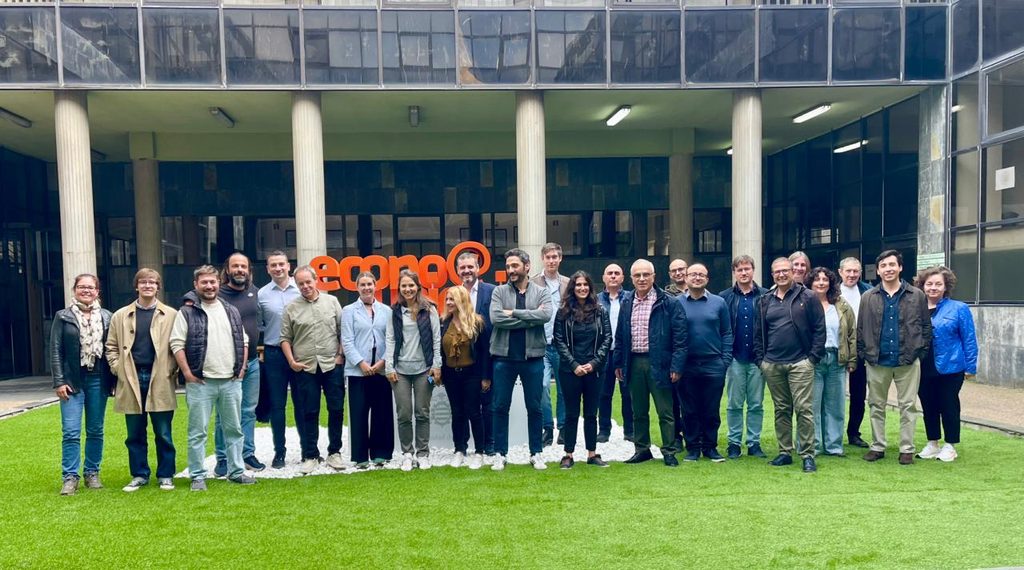
The ISABEL consortium came together in Oviedo for the project’s 2nd General Assembly on the 8th and 9th October, reviewing progress across all work packages. Partners discussed developments in data collection and analysis, co-creation approaches, living lab activities, and communication strategies.
The meeting fostered collaboration and alignment on upcoming milestones, while the demos of ISABEL tools — FAROROMO, SNAP, and DPWA — highlighted how the project’s research is being translated into practical, interactive solutions.
3rd GA in Katowice, Poland
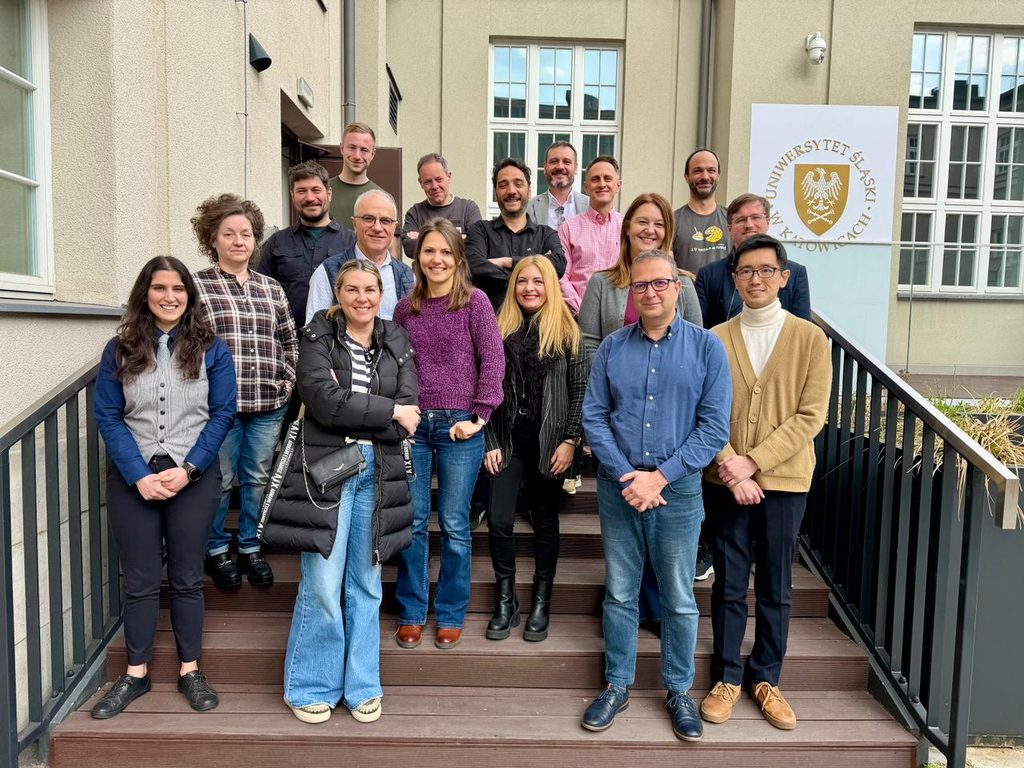
The 3rd General Assembly of the ISABEL Horizon project was successfully held in Katowice, Poland, bringing together consortium partners to review the overall progress of the project and coordinate the next stages of implementation. Over the course of two days, partners discussed developments across all Work Packages, with particular emphasis on the project’s technical infrastructure and research activities. The discussions highlighted the project’s broader objective of supporting evidence-based policymaking and fair labour market transitions through innovative data-driven approaches. Particular attention was given to how artificial intelligence and advanced labour market analytics can contribute to identifying emerging occupational trends, skills needs, vulnerabilities, and reskilling opportunities associated with the twin transition. In addition to the technical discussions, consortium partners reviewed the progress achieved within the different project activities and explored future coordination actions to strengthen collaboration and ensure the effective implementation of upcoming deliverables. The meeting further reinforced the interdisciplinary and collaborative nature of the ISABEL project, combining expertise from research, technology, labour market analysis, and policy development to support more resilient and inclusive labour market futures across Europe.
4th GA in Belgrade
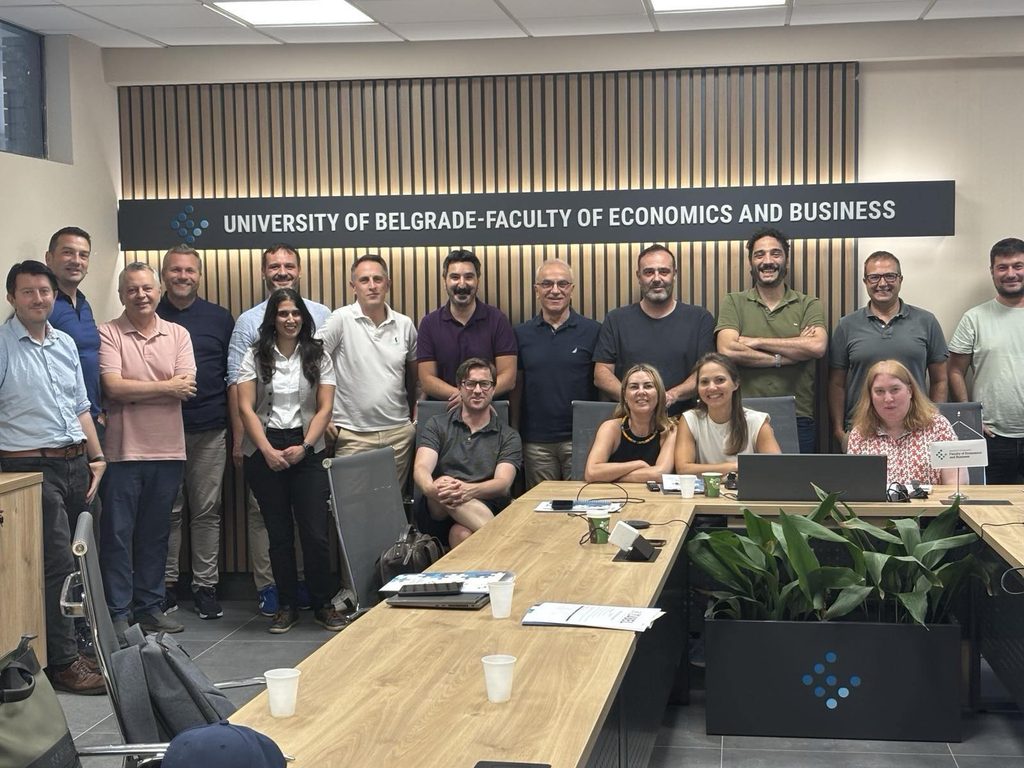
The ISABEL Horizon Europe consortium met in Belgrade for its 4th General Assembly, bringing partners together to review the progress achieved during the first half of the project and coordinate the activities ahead.
The meeting provided an opportunity to discuss progress across the project’s Work Packages and assess the development of ISABEL’s research activities, data resources and analytical tools. With the first ISABEL tools now operational, particular attention was given to their testing, validation and further refinement.
Partners had the opportunity to explore and test the ISABEL Platform and tools including FAROROMO, DPWA and SNAP, and to exchange feedback on their functionality and further development. Together, these tools bring together different strands of ISABEL’s research and analytical work to generate insights into job creation and destruction, skills needs and shortages, and changing labour market dynamics across Europe.
The General Assembly also provided an important setting for partners to review progress in the project’s Living Labs and stakeholder engagement activities, discuss the evidence collected so far, and coordinate the next steps for testing project results with relevant stakeholders across the participating countries.
A significant part of the meeting was dedicated to preparations for the project’s upcoming Review Meeting in October. Partners reviewed the progress and results achieved to date, discussed the presentation and demonstration of the project’s main outputs, and agreed on the key activities to be completed during the next phase.
As ISABEL moves into the next stage of implementation, the focus will increasingly be on integrating, testing and validating its tools and results, while continuing to involve stakeholders to ensure that the project’s outputs respond to real-world needs and can support evidence-informed research and policymaking on European labour markets.